Shaping ideas
about intellectual property, technology and innovation, and trade and development
through teaching, research, writing, legal practice, and public speaking
About
Professor Jeremy de Beer holds the Canada Research Chair in Innovation and Intellectual Property Law at the University of Ottawa, where he is a Full Professor and member of the Centre for Law, Technology and Society. He is a pioneer of international research partnerships addressing societal challenges like open access to education, food security, equitable access to medicine, and technology transfer for climate change. Professor de Beer collaborates often with international organizations, including agencies of the United Nations, African Union, and European Commission, and is renowned for his research and technical assistance in low- and middle-income countries in Africa, Southeast Asia, and Latin America and the Caribbean. In Canada, he has served as legal counsel in 15 Supreme Court cases and regularly advises government departments. His work has earned him numerous accolades, including the 2023 SSHRC Impact Award for partnership and, in 2024, election as a Fellow of the Royal Society of Canada.
Teaching
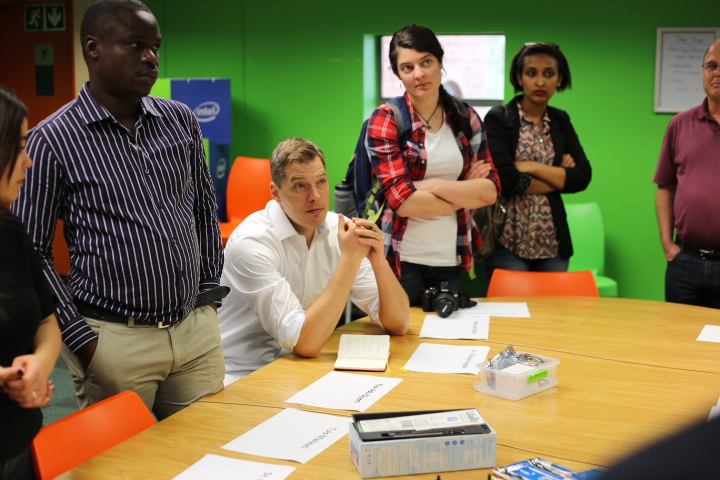
Prof. de Beer aims to create an exciting and inspiring learning environment for everyone. Through innovative methods, experiential opportunities, and strong commitment, he motivates students to explore deeply and become empowered, preparing them for impactful careers. He is best known for his Property Law course, which introduces first-year students to the study of law, his seminar on effective Intellectual Property Advocacy, and his dedication to numerous graduate students. Learning as much from students as they do from him, his approach integrates advanced technology, popular culture, and real-world applications for maximum student engagement.
Research
Prof. de Beer is internationally recognized for his pioneering research on intellectual property, technology and innovation, and trade and development. Through large-scale, transdisciplinary, global partnerships, his work connects researchers in Canada and across the African continent, breaking new conceptual ground, shaping global innovation regulations, and influencing Canadian law reform. His contributions to law-making by courts and legislators, as well as public policy, have been pivotal in addressing challenges related to the digital economy, life sciences, and clean technology sectors. By aligning IP law with sustainable development goals, he works to ensure that the benefits of innovation are shared equitably throughout society.
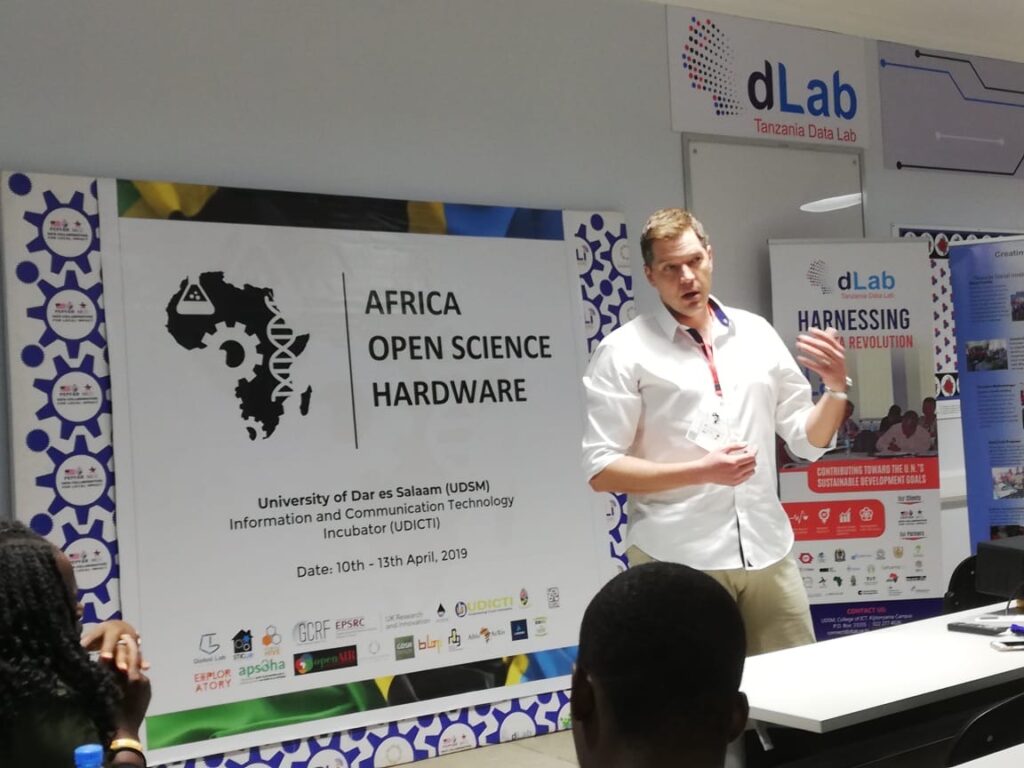
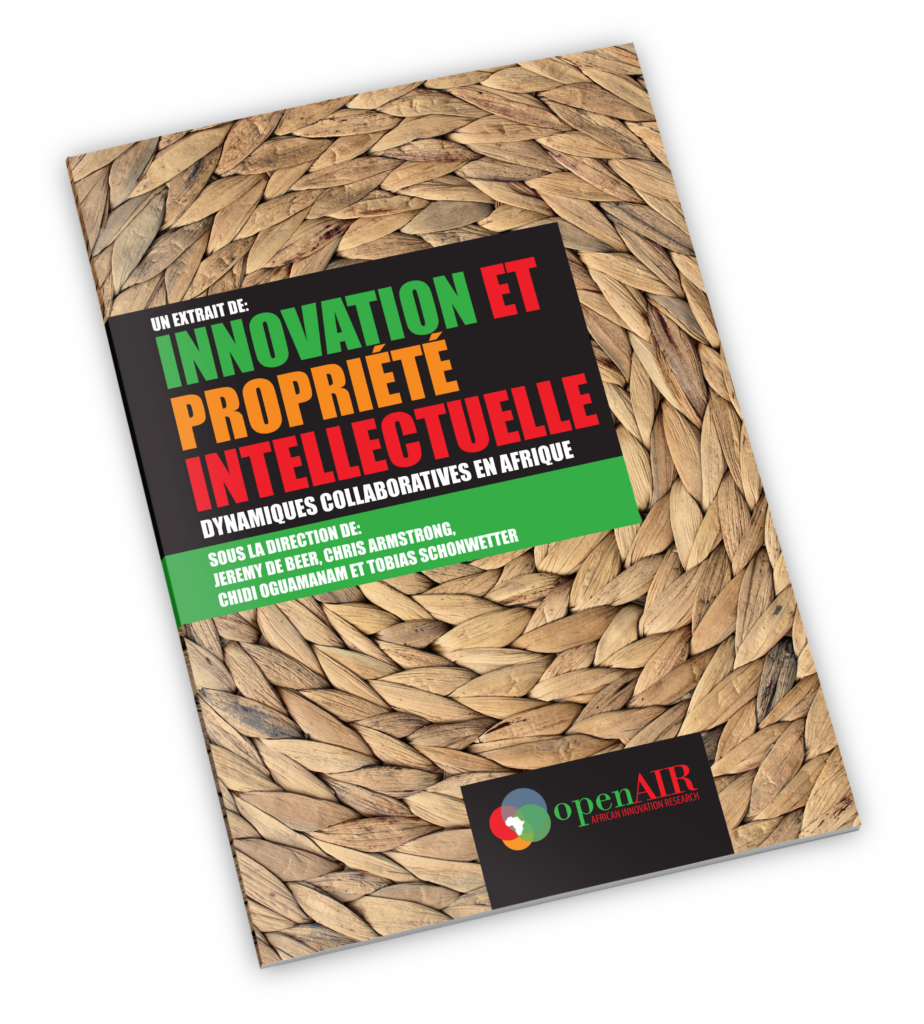
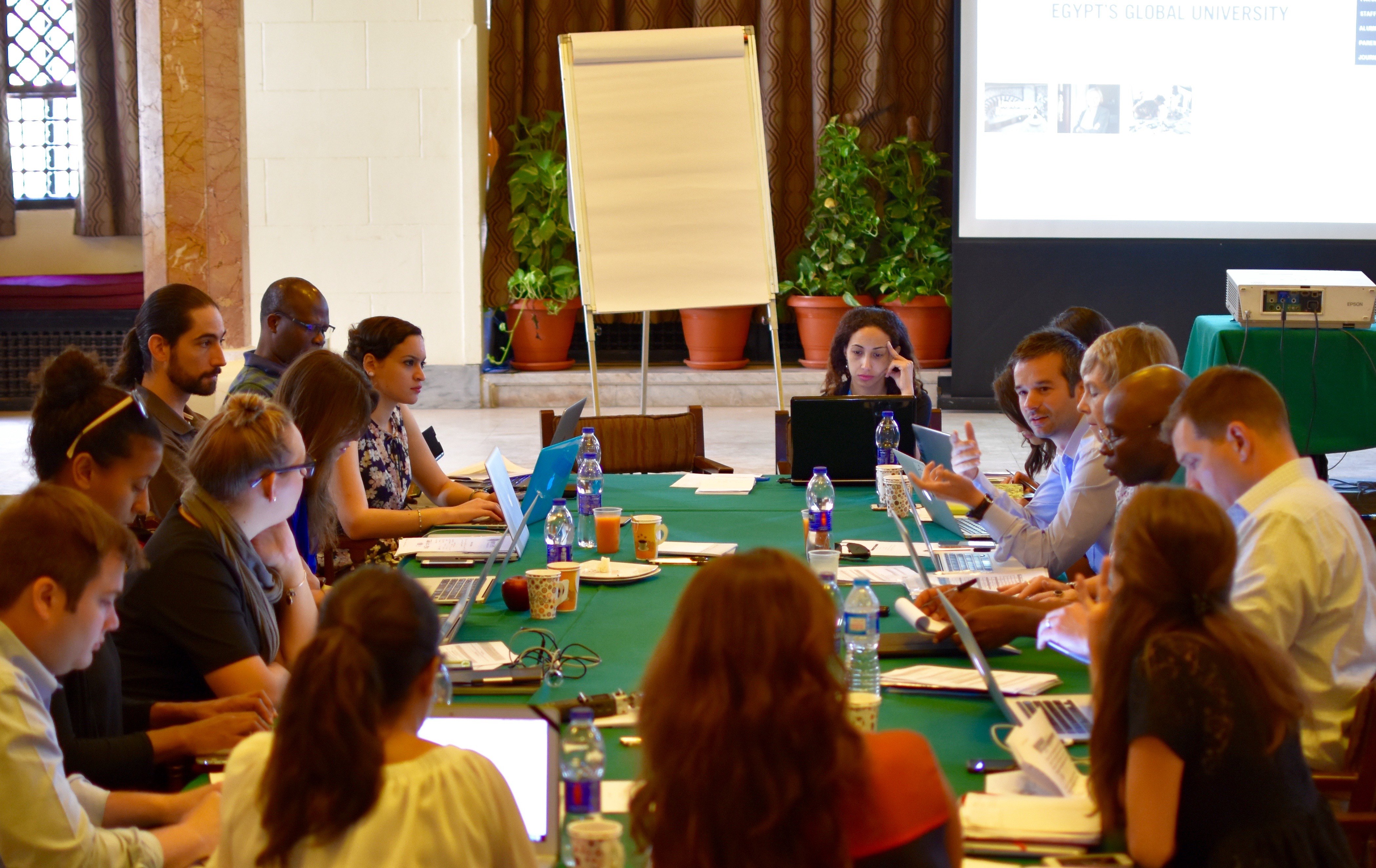
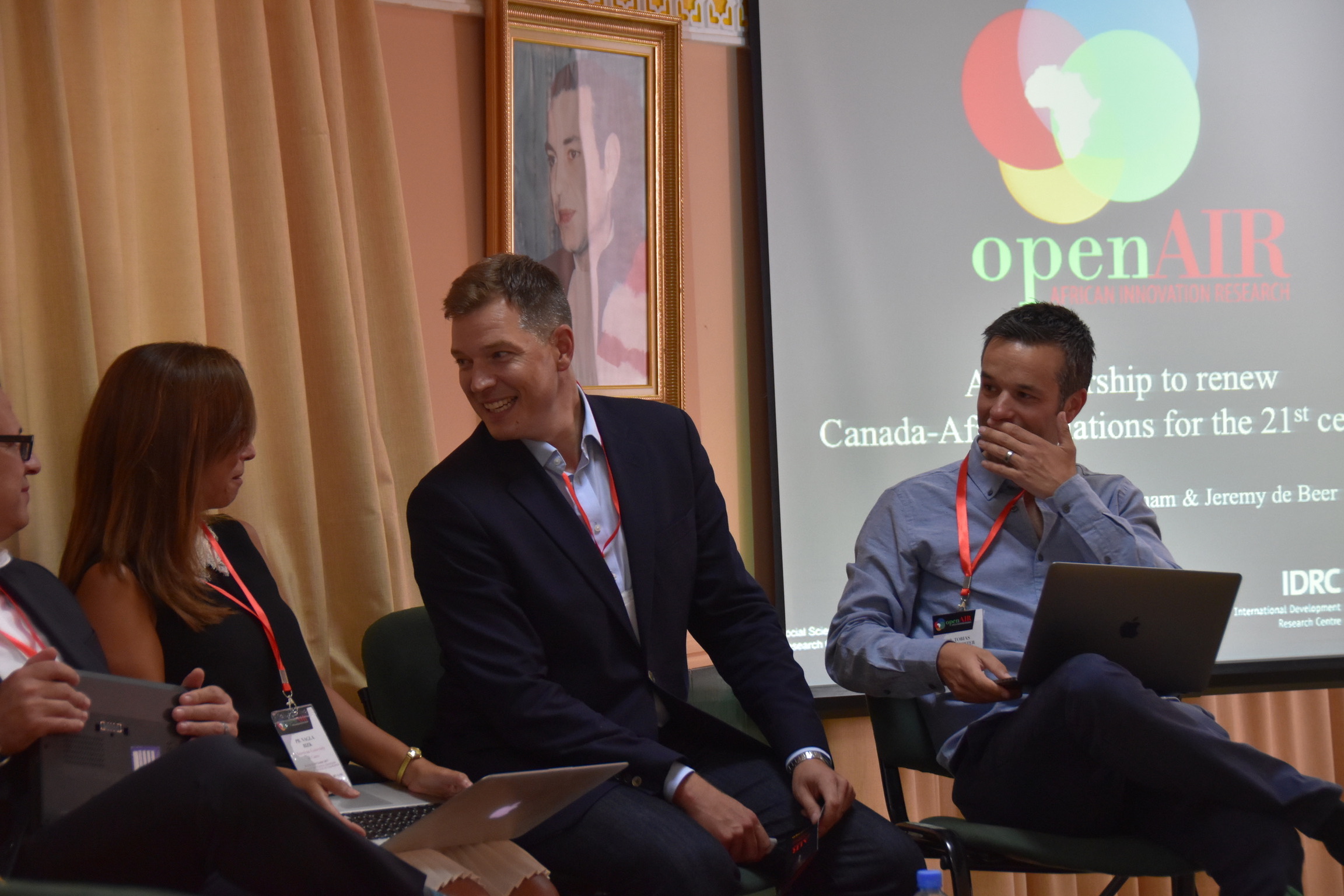
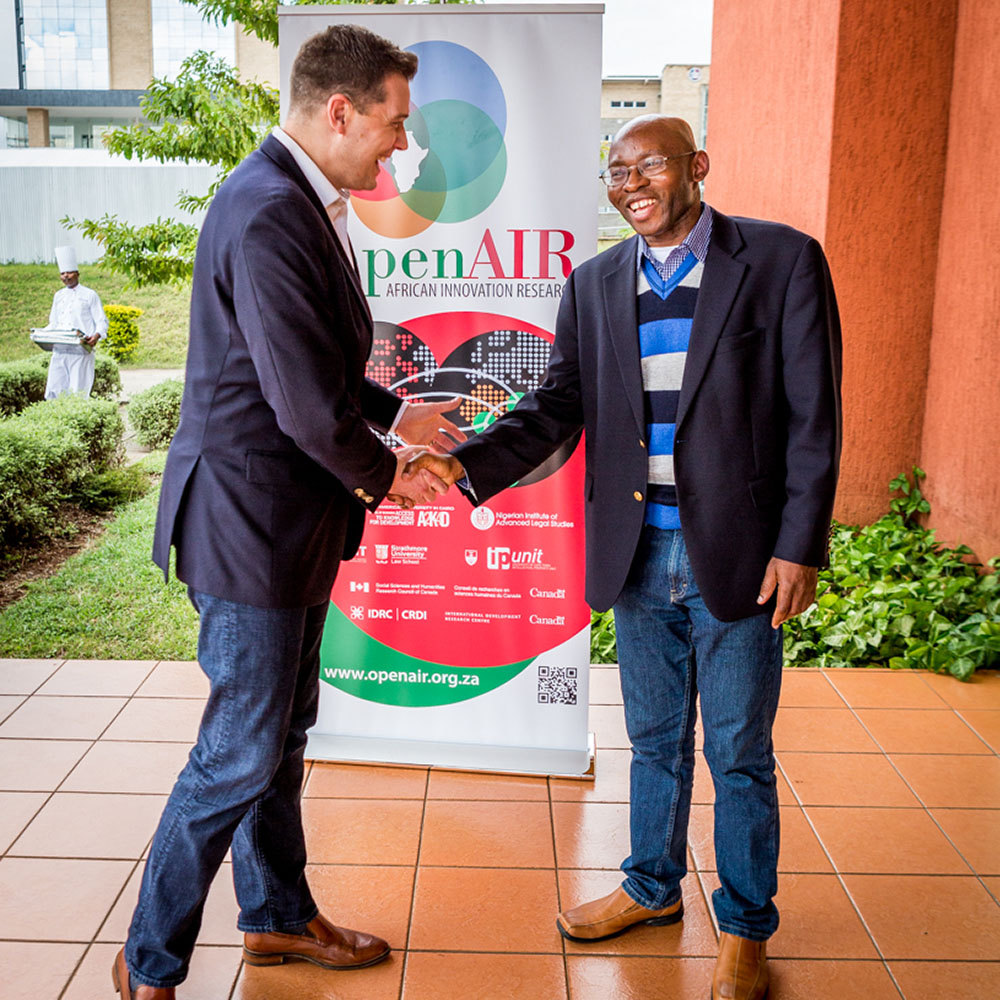
For over 15 years, Prof. de Beer has directed the international network he co-founded with research partners, the Open African Innovation Research Network, known as “Open AIR”. Today, Open AIR stands as a beacon of interdisciplinary international research, connecting dozens of researchers across African countries, Canada, and beyond to scale up innovation by easing tensions between intellectual property and access to knowledge. Open AIR generates fresh intellectual, cultural, and social perspectives, influencing policy stakeholders globally while empowering grassroots communities around the world.
Impact Award Winners
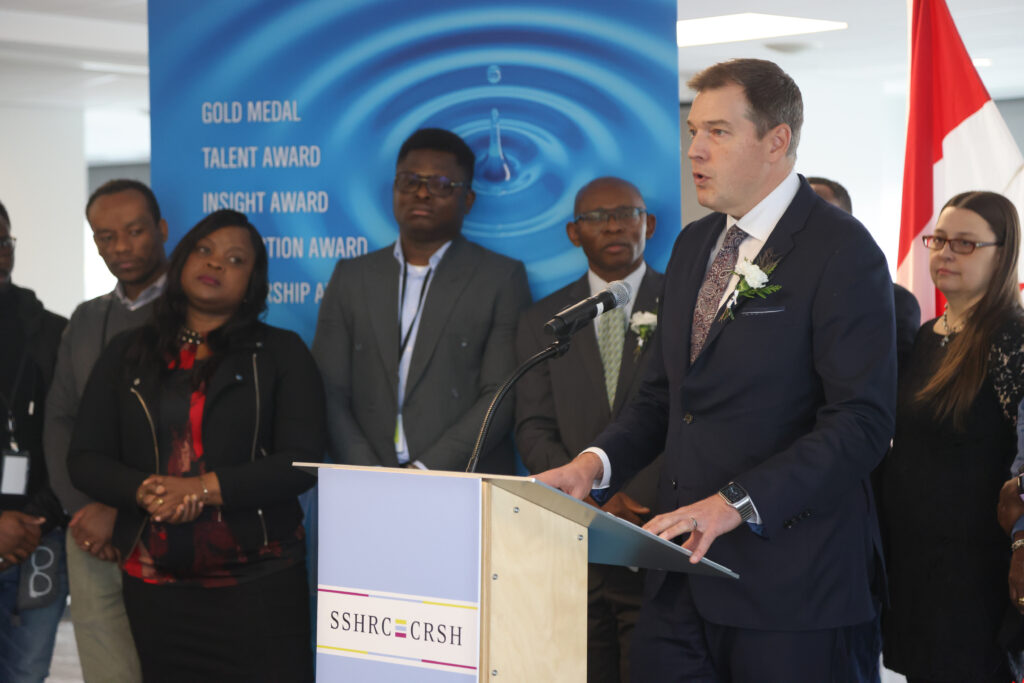
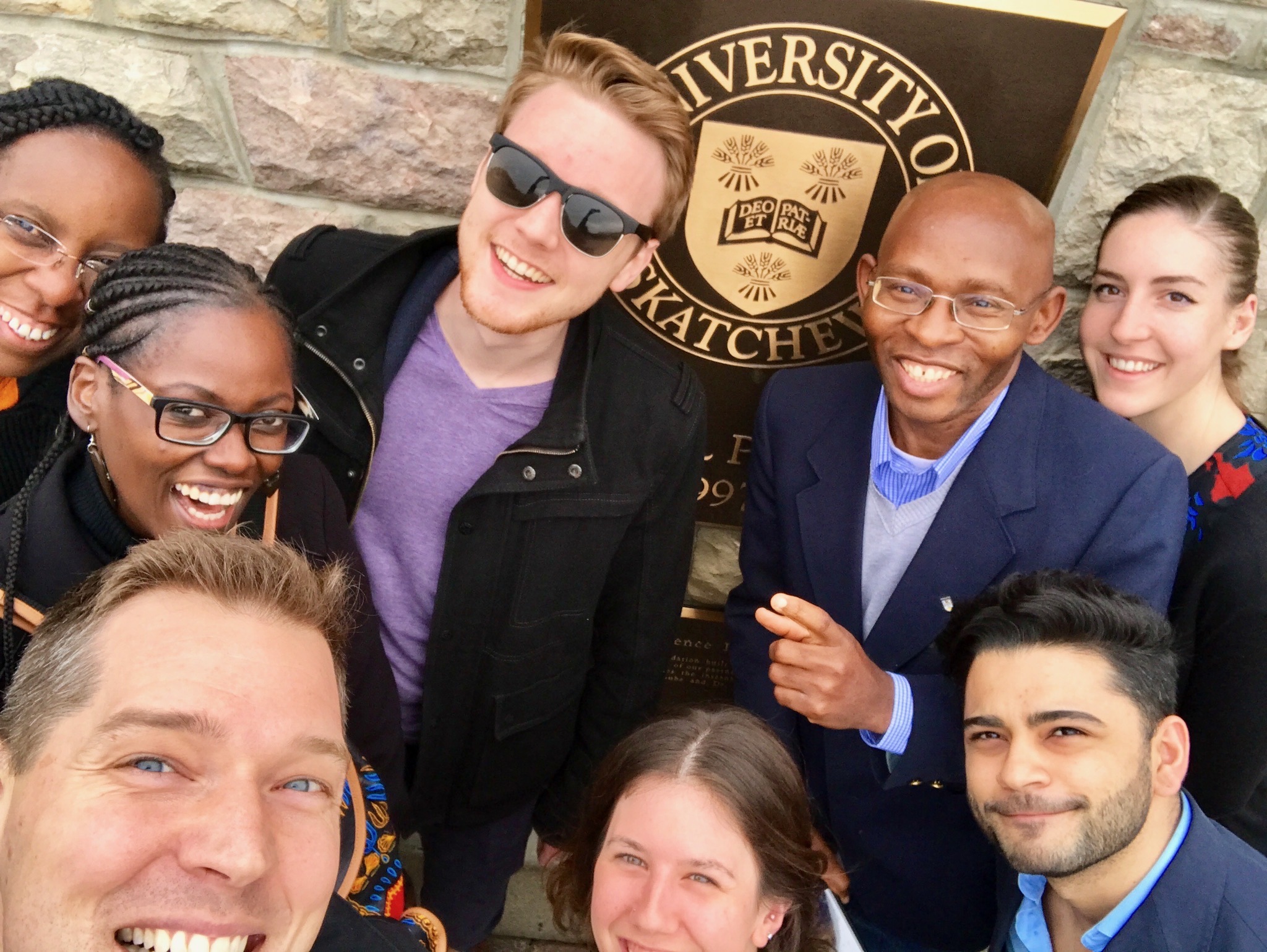
In recognition of extraordinary work advancing Africa’s pivotal role in the global knowledge economy and strengthening relations amongst Canada and African countries, Professors de Beer and Oguamanam were awarded the 2023 Impact Award from Canada’s Social Sciences and Humanities Research Council. The prestigious Impact Awards honour the highest achievements in SSHRC-funded research, knowledge mobilization, and scholarship. The Partnership Award specifically recognizes a SSHRC-funded formal partnership for outstanding achievements in advancing research, research training, knowledge mobilization, or developing innovative partnership approaches to research and related activities.
Prof. de Beer’s writing is distinguished by its breadth and impact. His work is published in top-ranked scholarly journals across law, management, and public policy, and he has contributed chapters to books edited by leading global scholars. As a contributing editor of numerous influential volumes, he bridges theoretical exploration with practical application. Beyond academia, de Beer is renowned for producing accessible reports and briefs that provide valuable insights for policymakers. His internationally influential scholarship offers innovative perspectives that advance academic discourse and inform global policy and practice.
Legal Practice
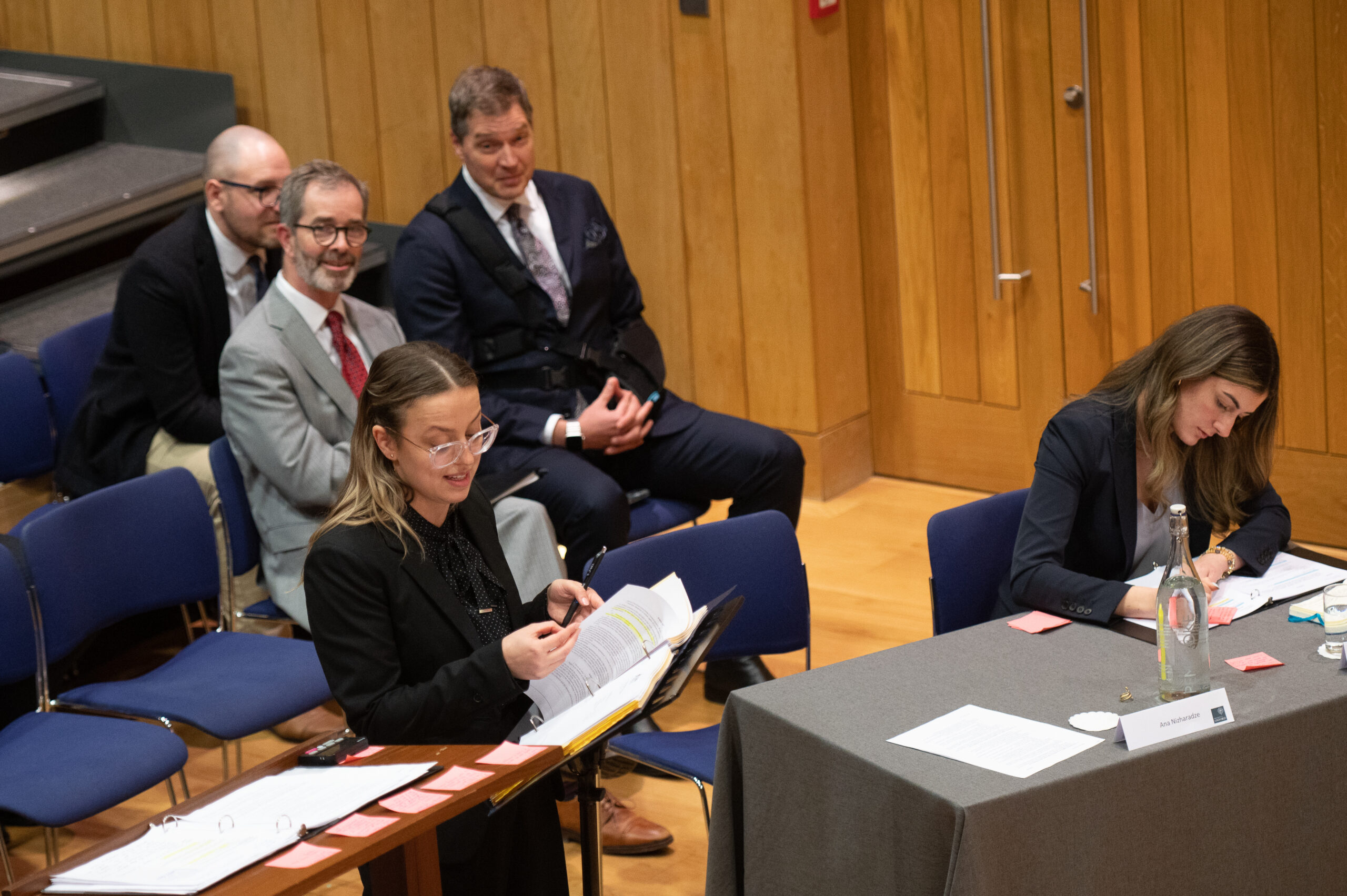
Prof. de Beer’s legal practice is deeply intertwined with his research, translating scholarly insights into real-world impacts. His litigation experience includes a portfolio of 15 pleadings at the Supreme Court of Canada, plus cases at the Federal Court of Appeal and in international trade arbitration. He also assists in litigation by drafting legal arguments, advising on legal strategies, and testifying as an independent expert in court proceedings. Working for national governments around the world as well as United Nations’ and other intergovernmental agencies, Prof. de Beer’s advisory work translates complex theories and academic research into evidence-based policies and practical action. In turn, the real-world insights gained through his legal practice inform and enhance his scholarly research and teaching.
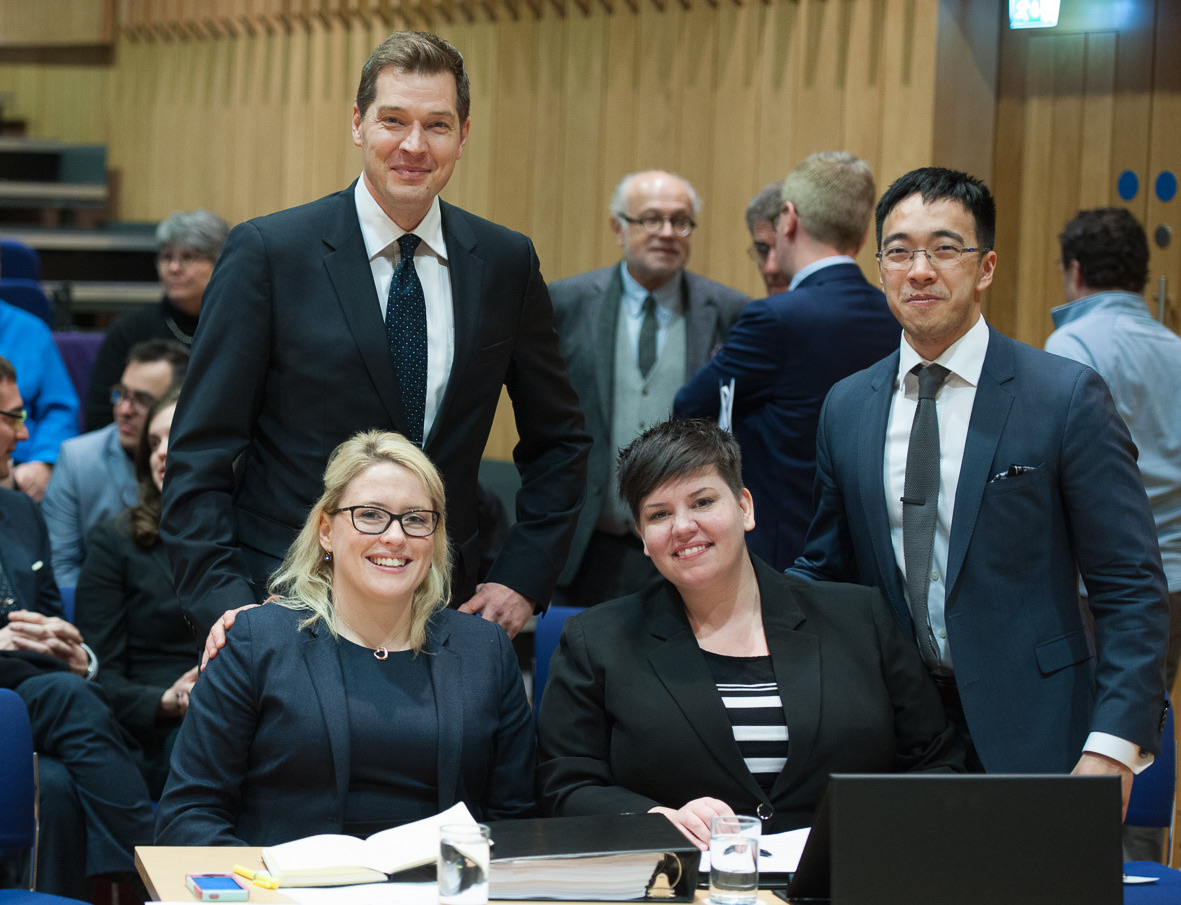
Arguing copyright law at the Supreme Court of Canada
How far does copyright law’s core concept — the right to copy — go? Prof. de Beer’s argues this point for the Samuelson-Glushko Canadian Internet Policy and Public Interest Clinic (CIPPIC) at the Supreme Court of Canada case of CBC v SODRAC (2015 SCC 57).
Public Speaking
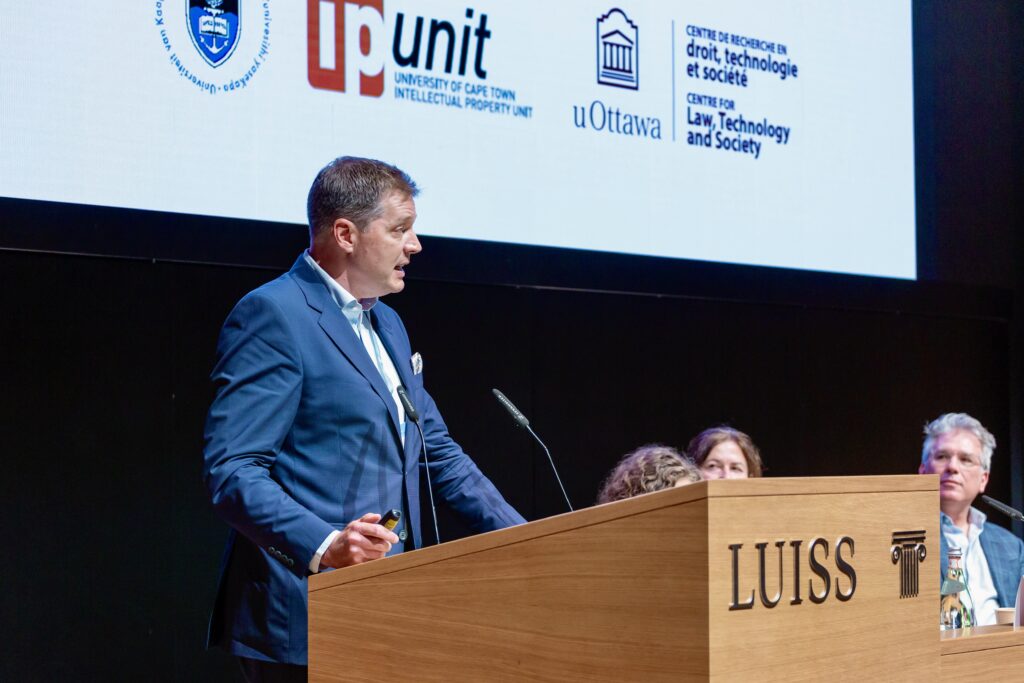
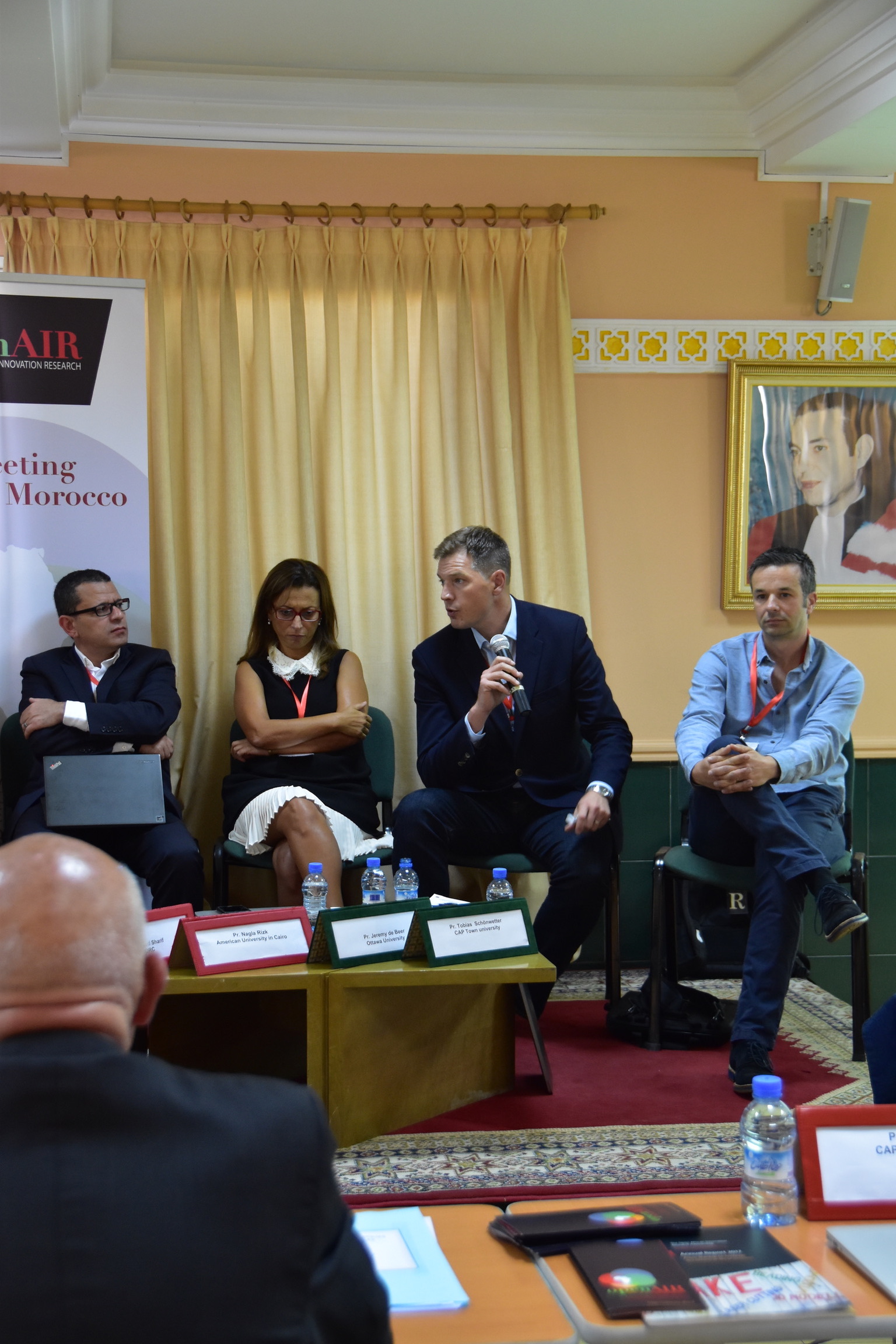
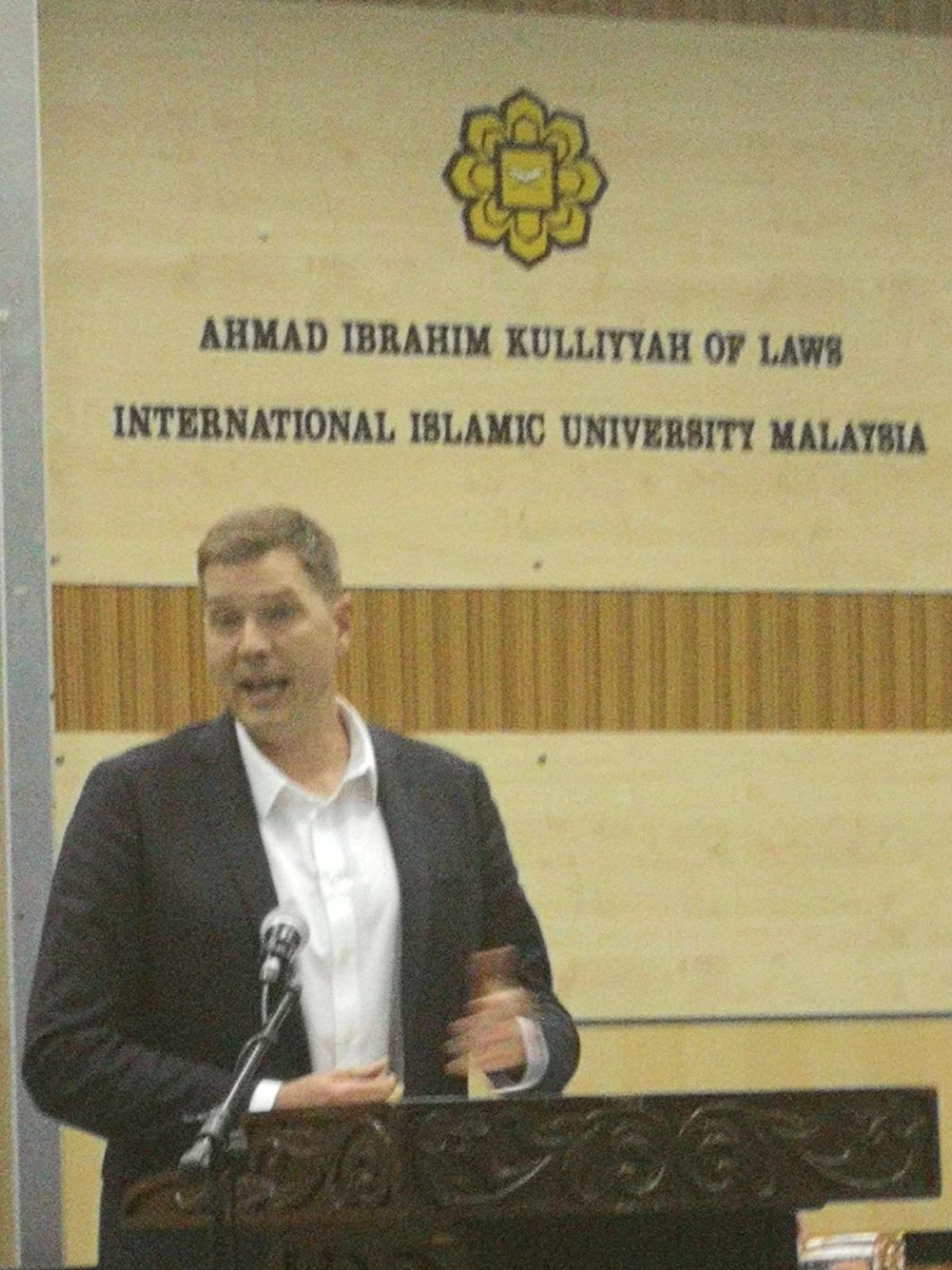
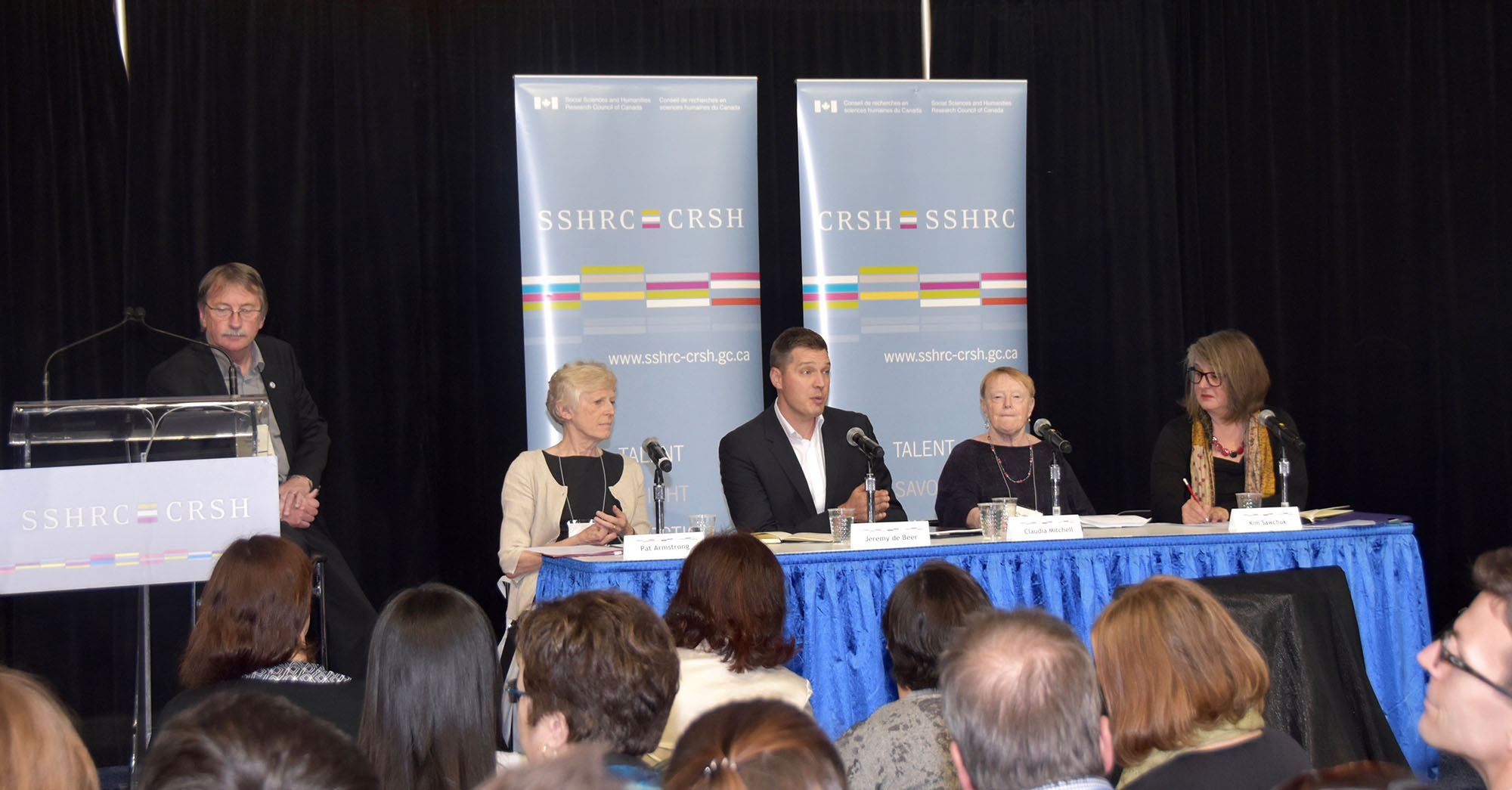
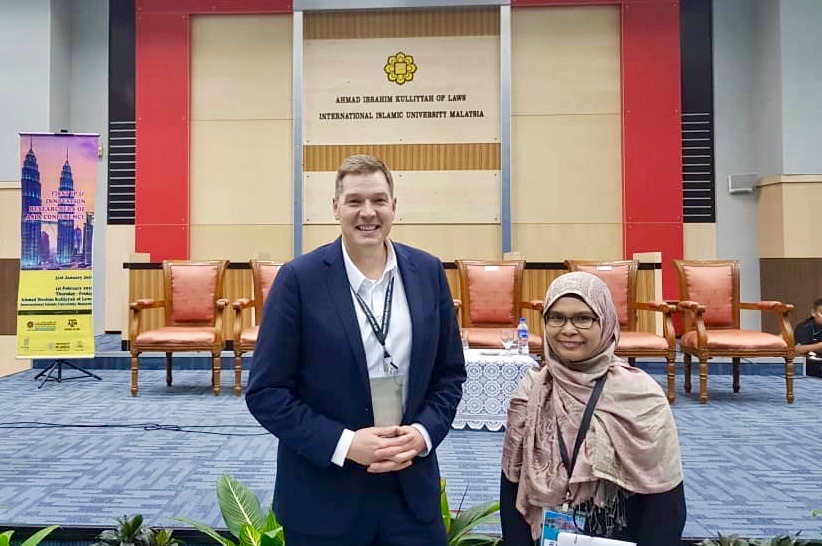
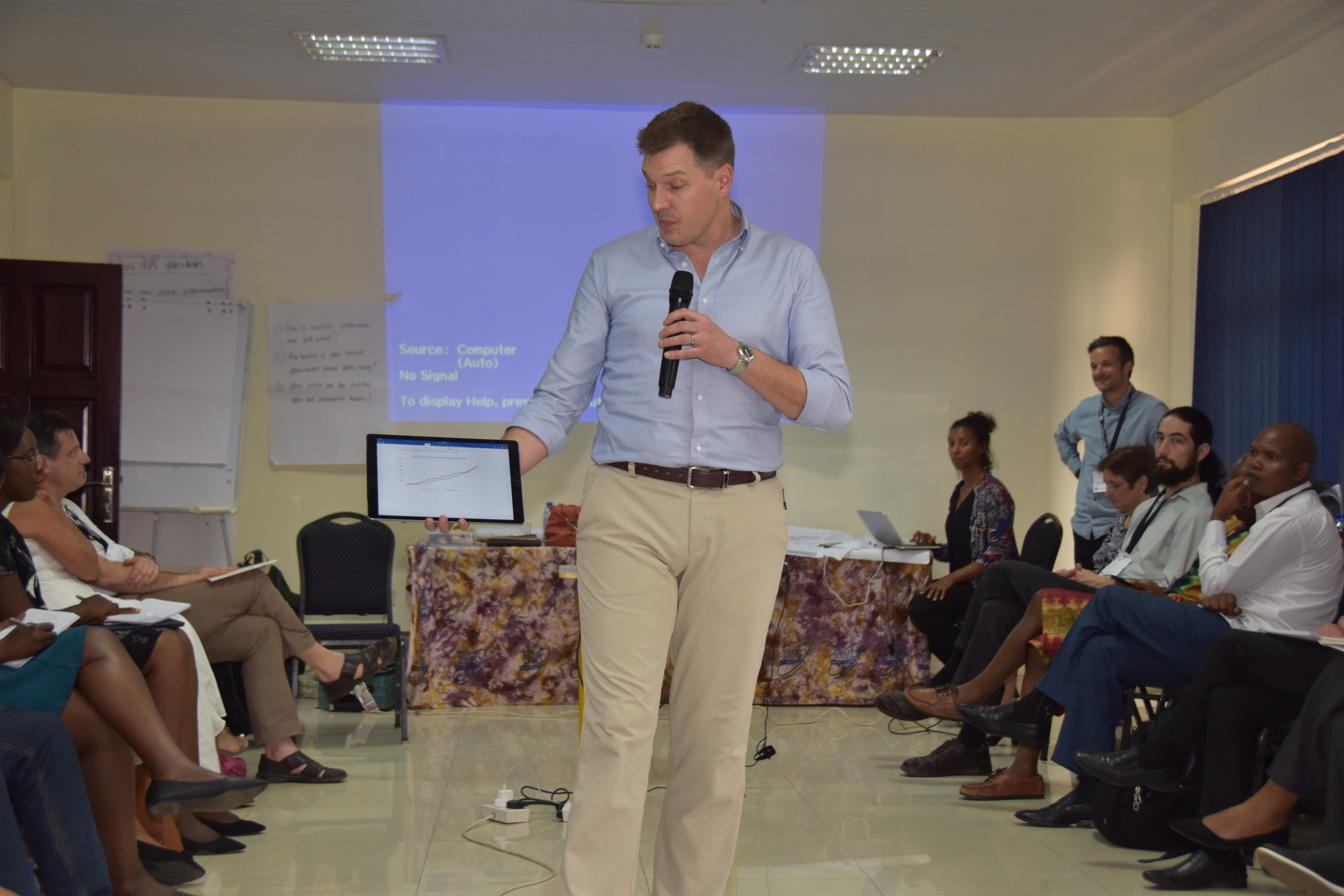
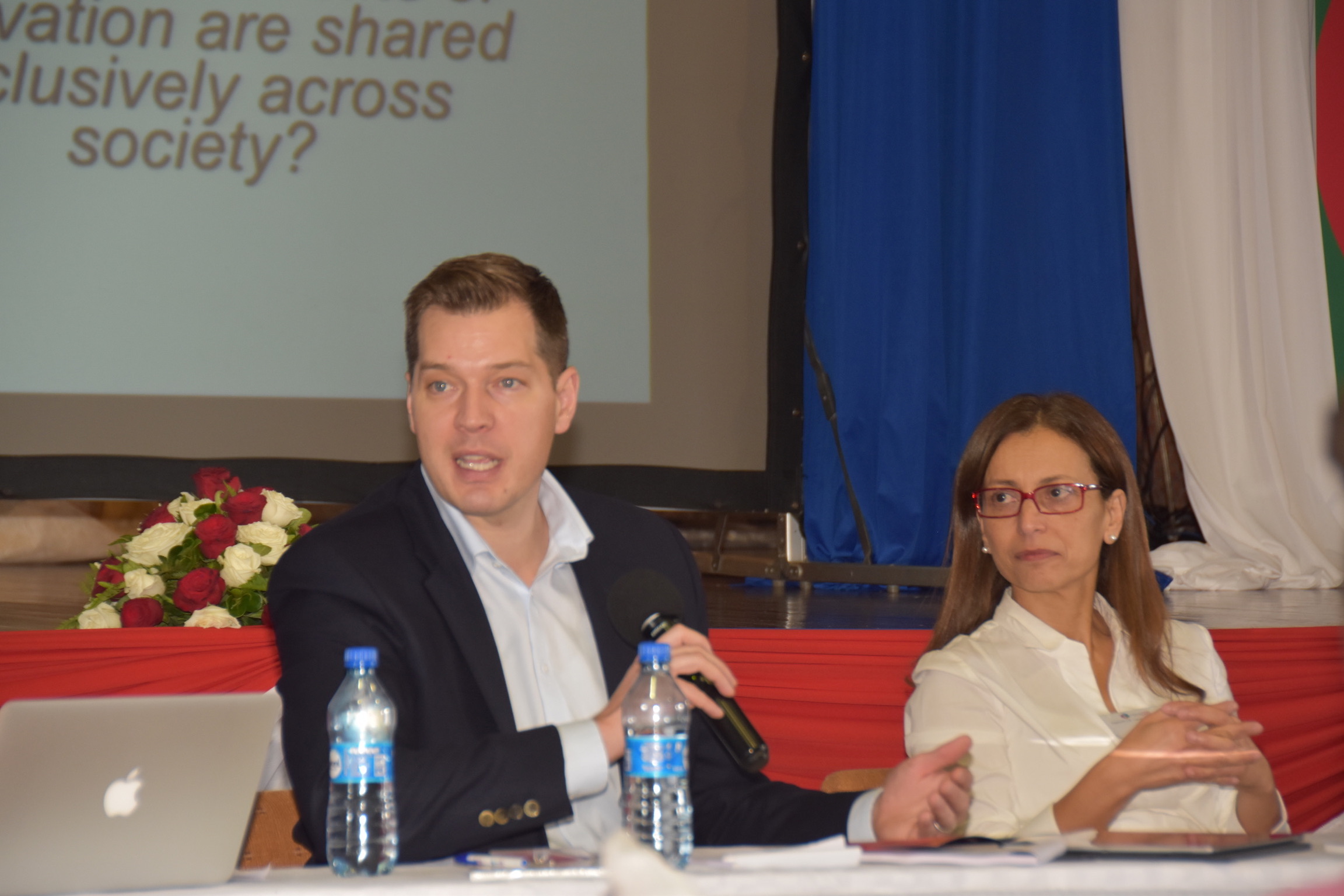
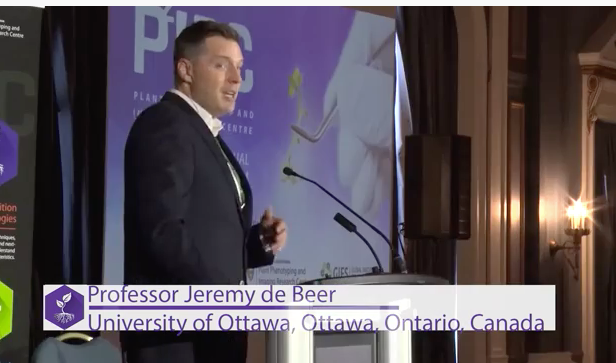
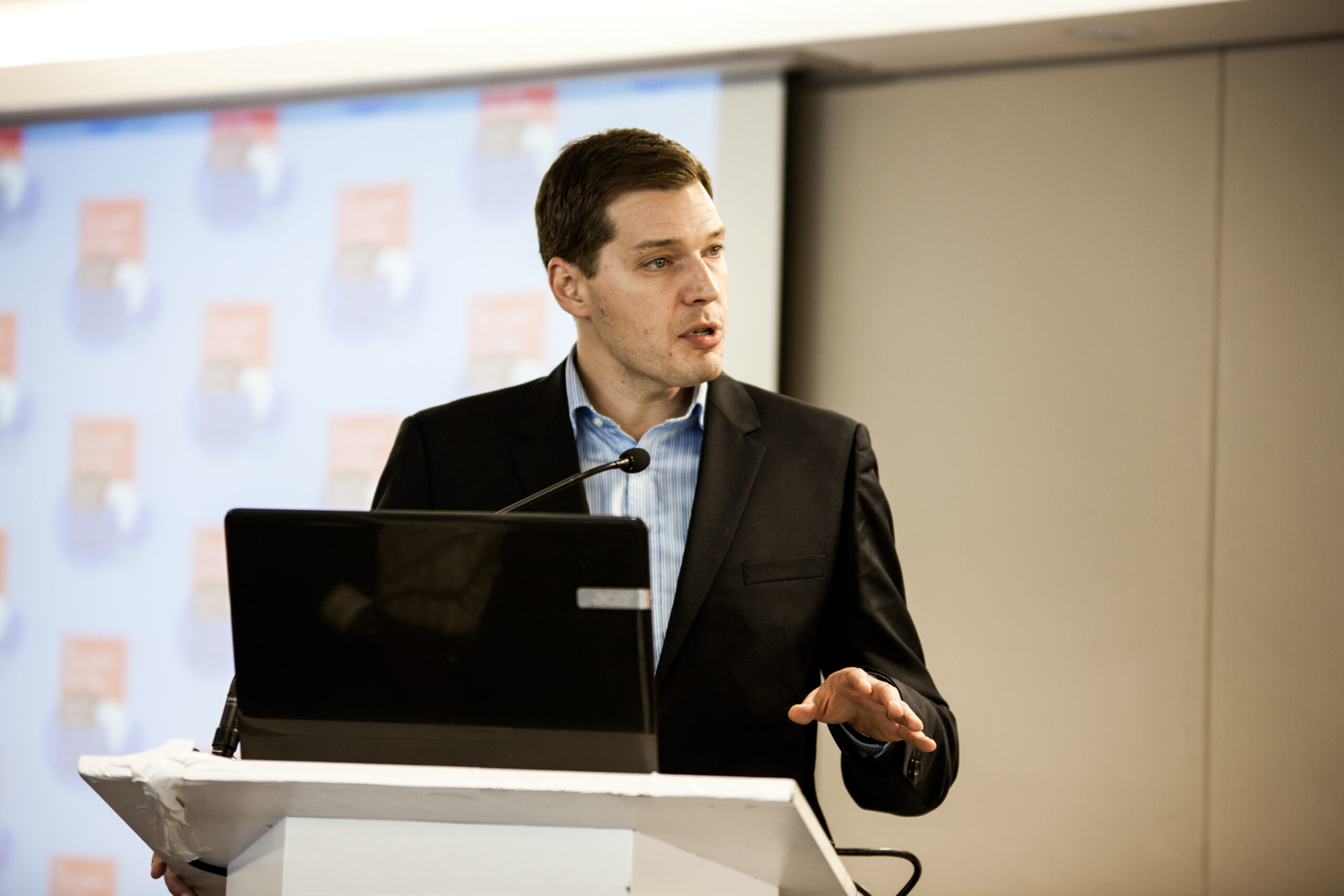
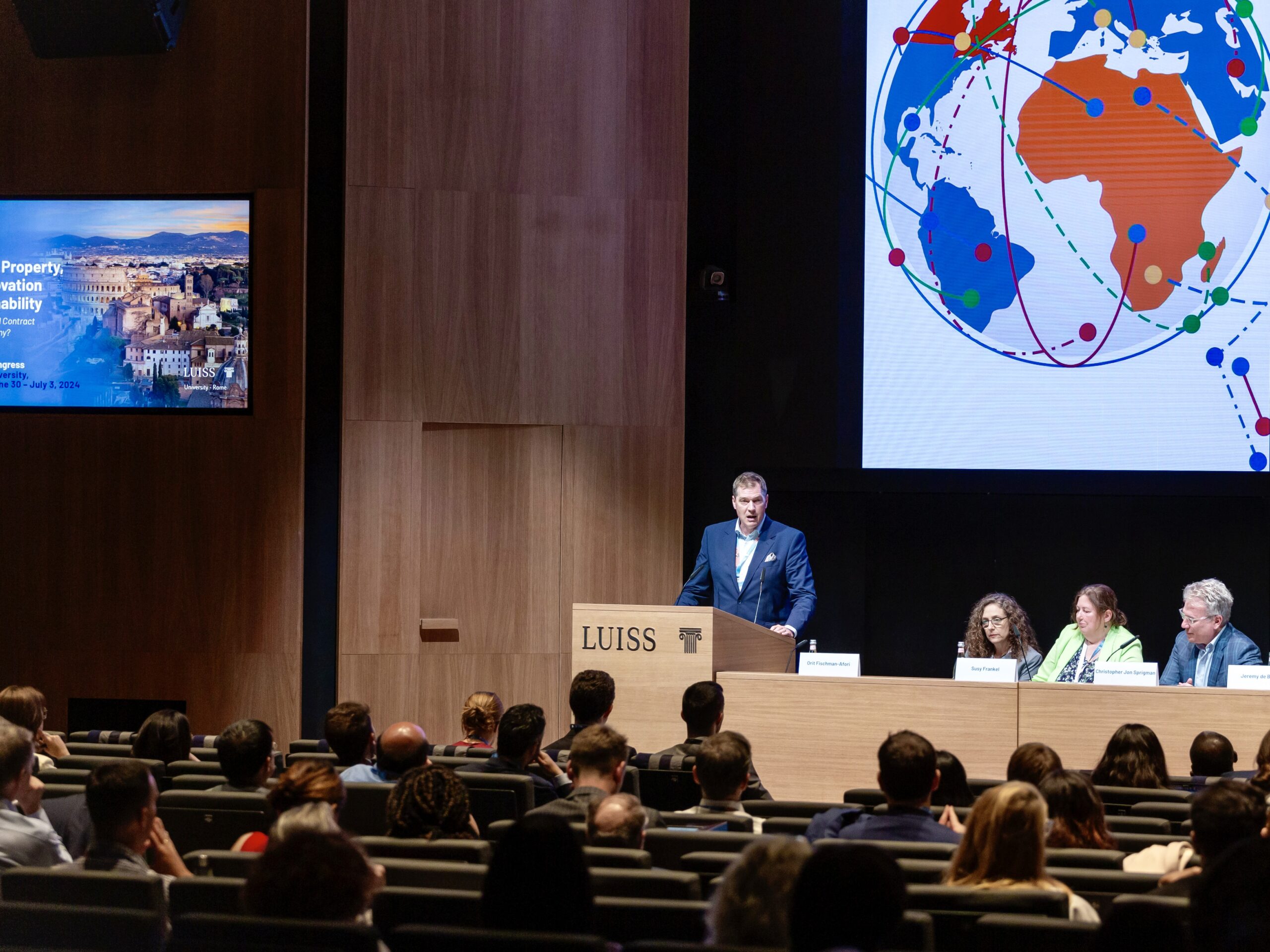
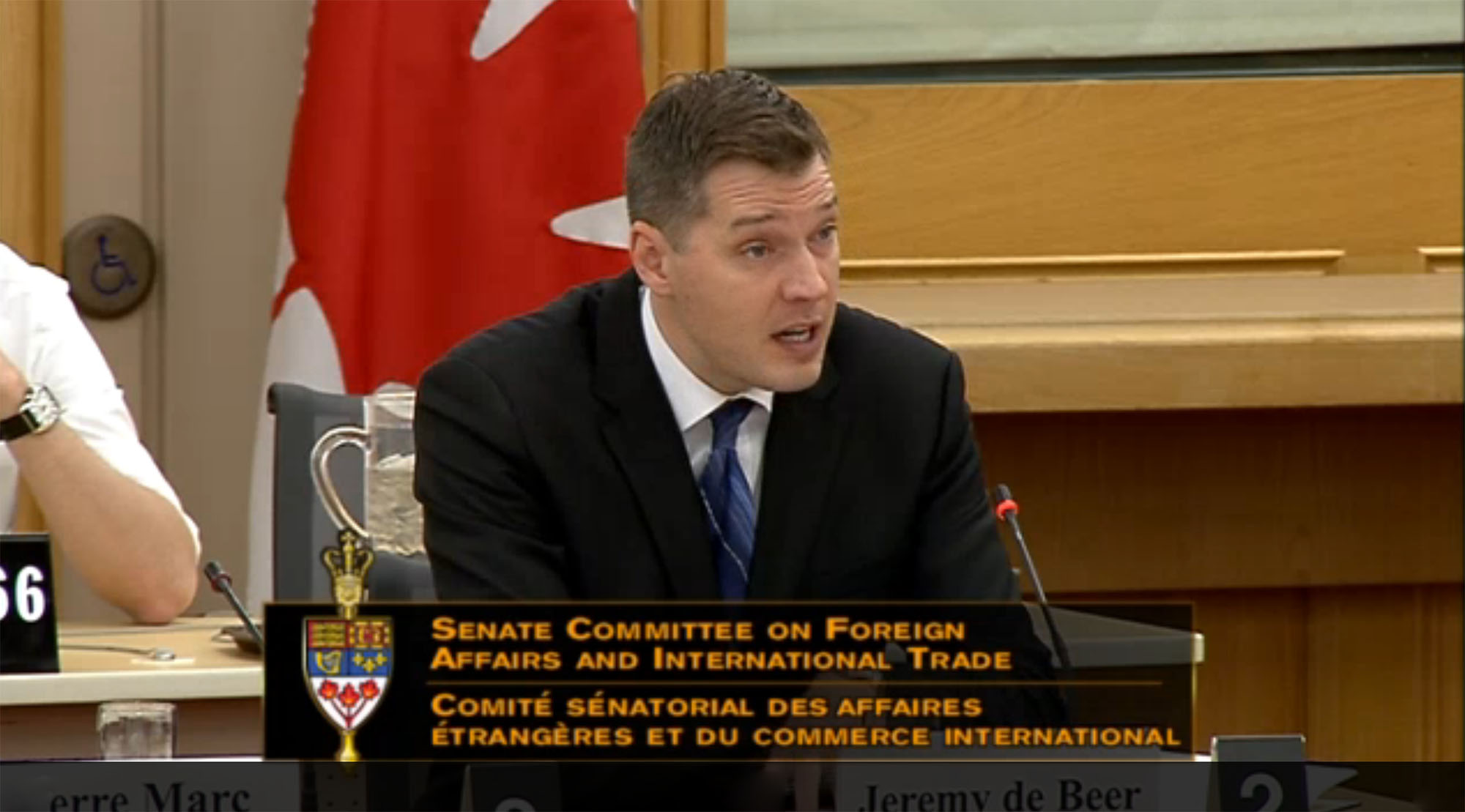
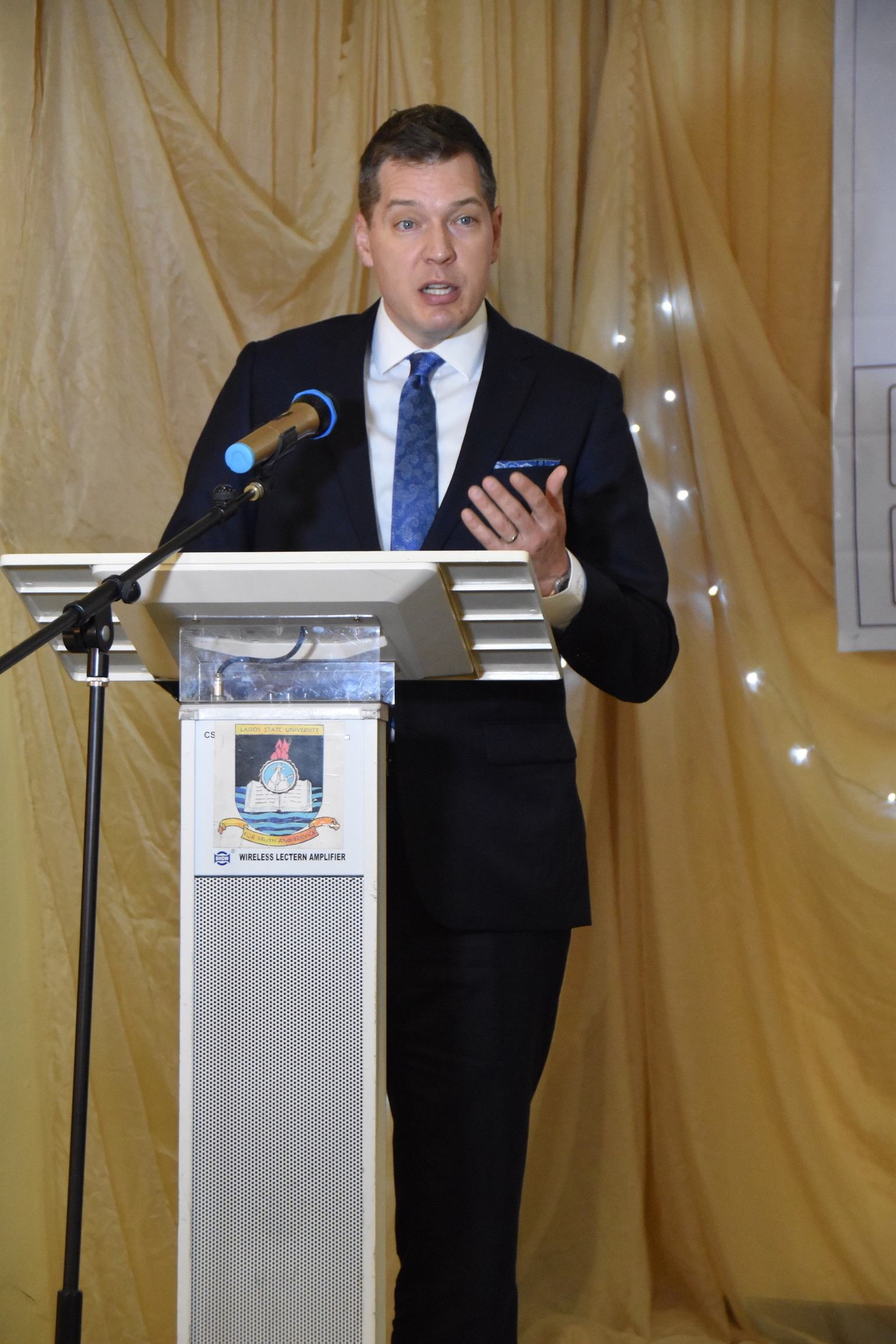
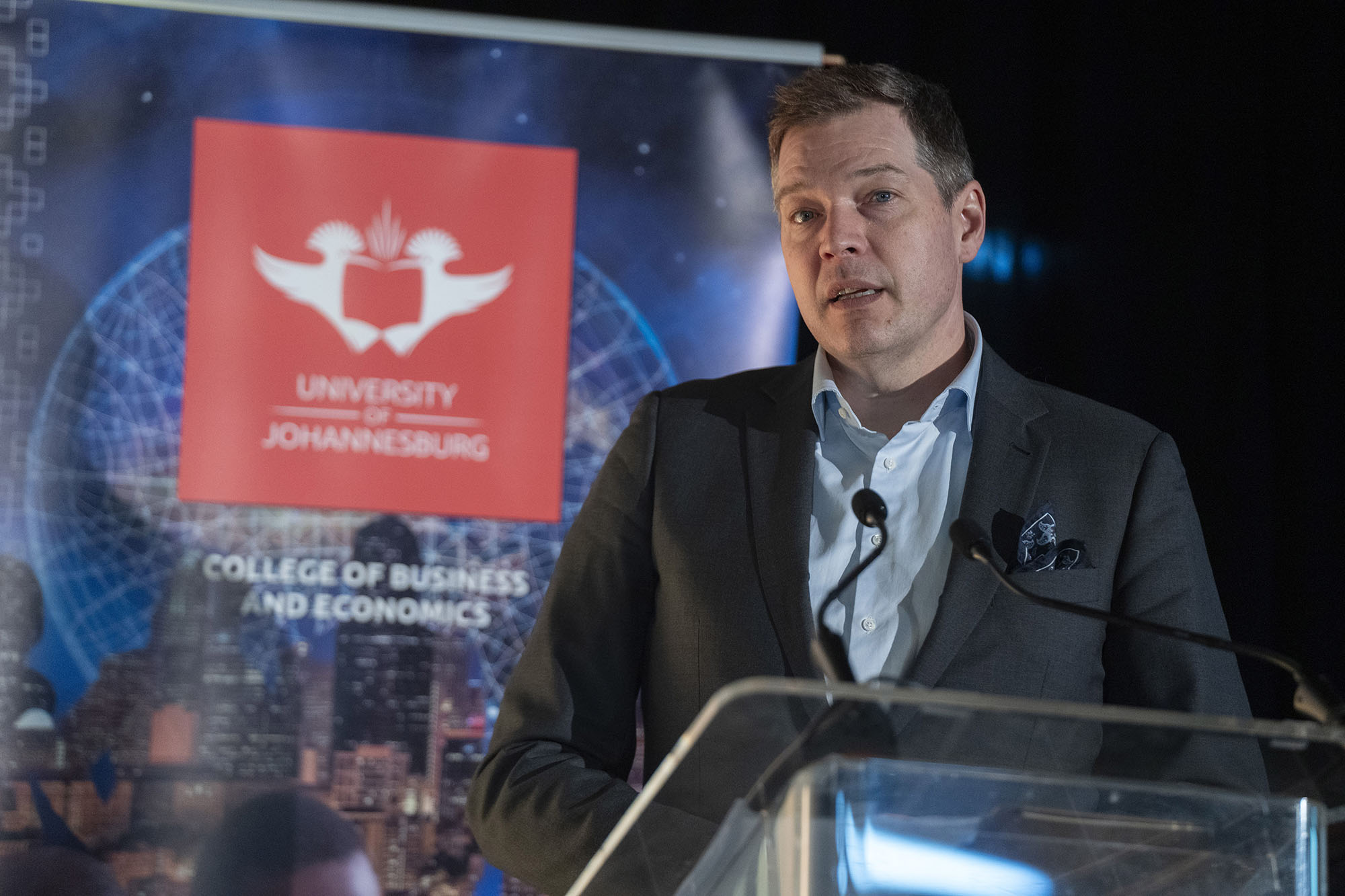
Professor Jeremy de Beer is a sought-after speaker, delivering keynote lectures, invited presentations, and participating in panels at prestigious institutions and conferences worldwide. His speaking engagements cover a wide range of topics, from intellectual property and innovation to public policy and international trade, reaching audiences in academic, professional, and policy-making communities. He is also a frequent speaker in Parliamentary proceedings, presenting his expertise at numerous House of Commons and Senate committees. Through television, radio, podcasts and other media engagements, Prof de Beer raises widespread awareness and enriches public dialogue.